


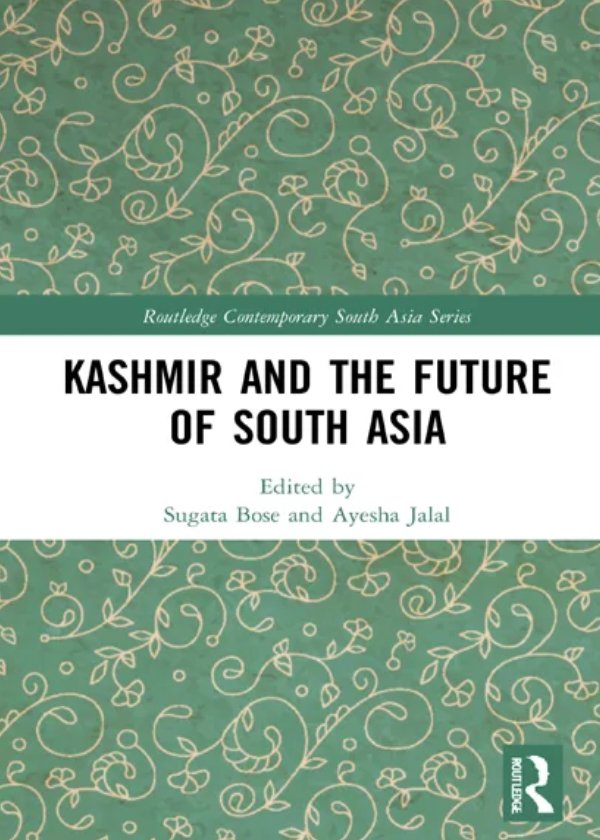
Kashmir and the Future of South Asia Edited By Sugata Bose, Ayesha Jalal

$ 1.36

Category:

Now you can control the sound of the BOV from inside the cabin!

So how much more can you do with a blow-off valve? Well, the Deceptor Pro II takes the ‘Respons’ concept even further...

  • Adjust your BOV venting bias electronically on-the-fly
  • Revised porting to optimise flow and venting bias
  • Compact design fits in most factory valve locations
  • Direct bolt on for many vehicles
  • New bore finishing process ensures a lifetime of reliable operation

Deceptor Pro II features

Direct bolt-on for most vehicles available:

  • Remote proportional venting bias/volume control- from silent to loud or anywhere in between
  • Sleek, compact in-car BOV volume controller with backlit dial
  • End point adjustment to control maximum vent to atmosphere bias setting
  • Volume adjustment mechanism driven by a high-torque geared electric motor
  • Durable, low-friction ger train supported by precision sealed ball-bearing
  • Supplied with all parts and wiring required to have it up and running quickly and easily

Description Description: This book uses an innovative people-centered approach to the Kashmir problem to shed new light on why postcolonial partitions remain unfinished and why the wounds of postcolonial nation-state formation in South Asia continue to fester. “Kashmir” is viewed as a metaphor for the permanent internal wars of partition that mark the South Asian experience. Chapters sensitively bring Kashmiri voices to the fore to examine Kashmir in the national discourses of India and Pakistan, resistance in the Kashmiri imagination and the Kashmir conflict in a global context. The book foregrounds how the space of Kashmir as a cultural, historical and political sphere persists and continues to haunt the postcolonial national present as the people of Kashmir and their cultural, literary and artistic productions cannot be contained within the regnant paradigms of the nations across which the region is partitioned. Additionally, the book explores how long-term resolution would demand engagement with historical forces, political actors and social formations that exceed the nation-state. An important contribution to the study of this troubled region, this book will be of interest to academics and researchers of modern South Asian history and politics as well as comparative politics and international relations.
Performance Without Compromise